
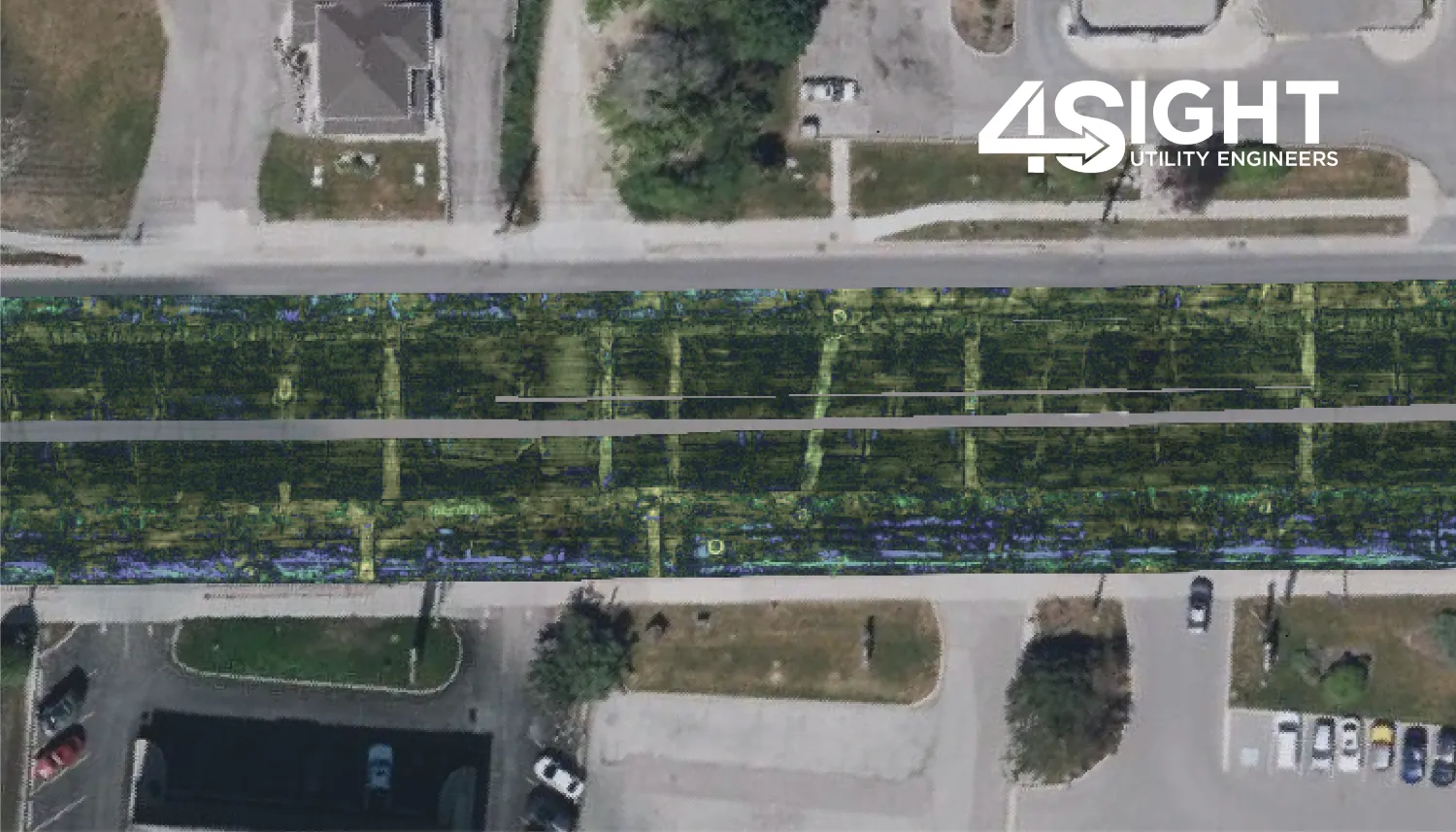
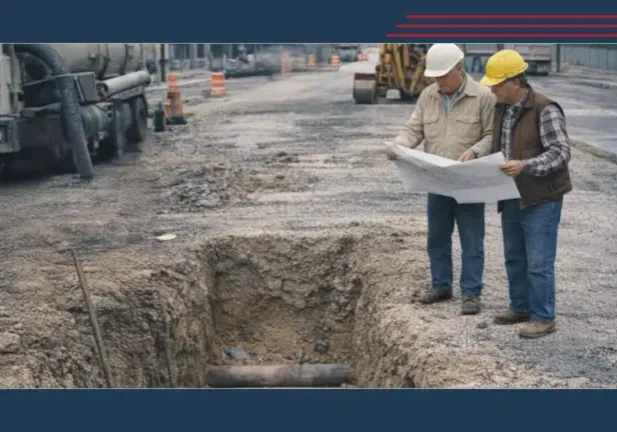
On legacy transit corridors, some of the most significant project risks are hidden underground. Unknown utilities, abandoned trenches, undocumented infrastructure, and legacy construction can influence design decisions, budgets, schedules, safety, and stakeholder confidence. By integrating Utility Coordination with MCGPR-enhanced Subsurface Utility Engineering (SUE), project teams can develop a clearer understanding of subsurface conditions early, while there is still flexibility to make informed design decisions.
On the Dundas BRT corridor, this approach identified more than 900 linear features, 140 anomalous zones, and 54 utility trenches. The additional insight allowed investigations to be prioritized more strategically, helping reduce planned test holes by approximately 50% while maintaining confidence in design decisions. The project demonstrates how better subsurface information can reduce uncertainty, minimize disruption, and make more effective use of project resources.
| Related News |
|---|

Contact
P: 1 (289) 385-3303
E: info@4SightUE.com
Address
Headquarters
4Sight Head Office
2100 Forbes Street, Unit 1
Whitby, ON
L1N 9T3
126 Market Street
Commercial Unit #1
Philadelphia,
PA 19106
© 2026 All Rights Reserved | Contact Us | Accessibility | Privacy Policy | Terms of Use