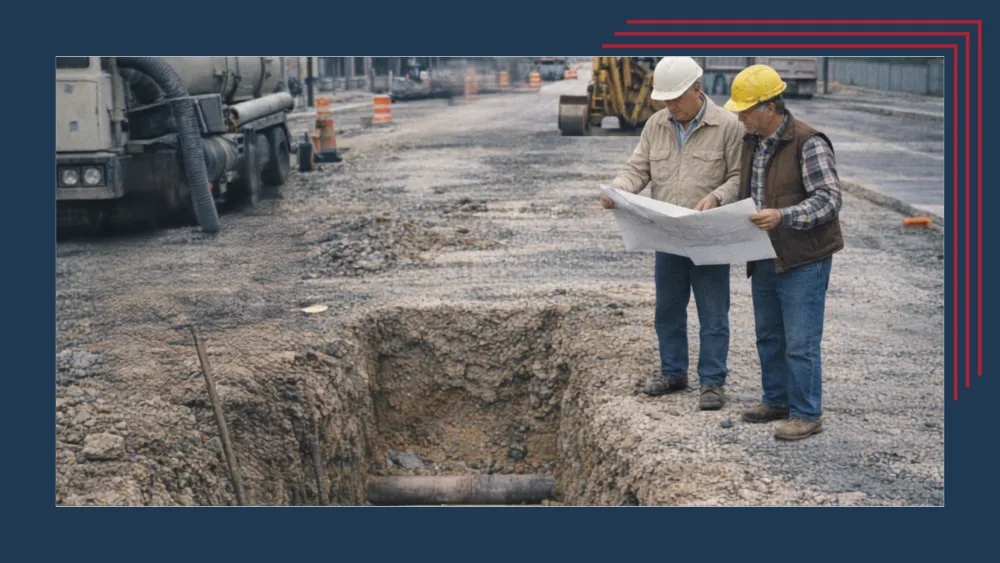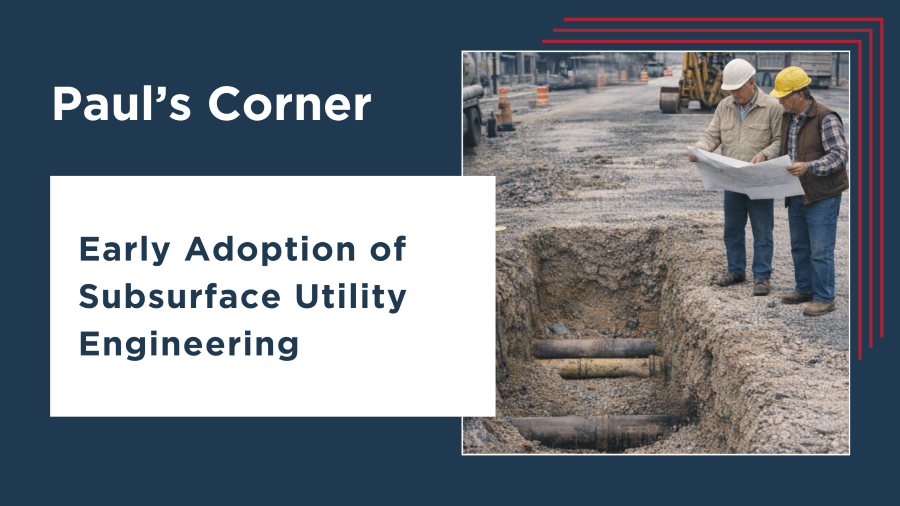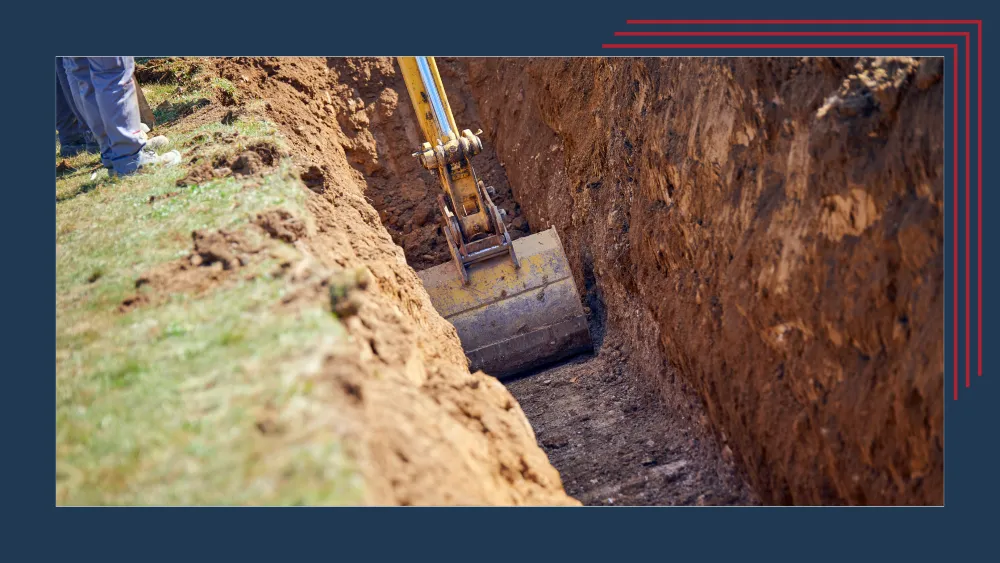
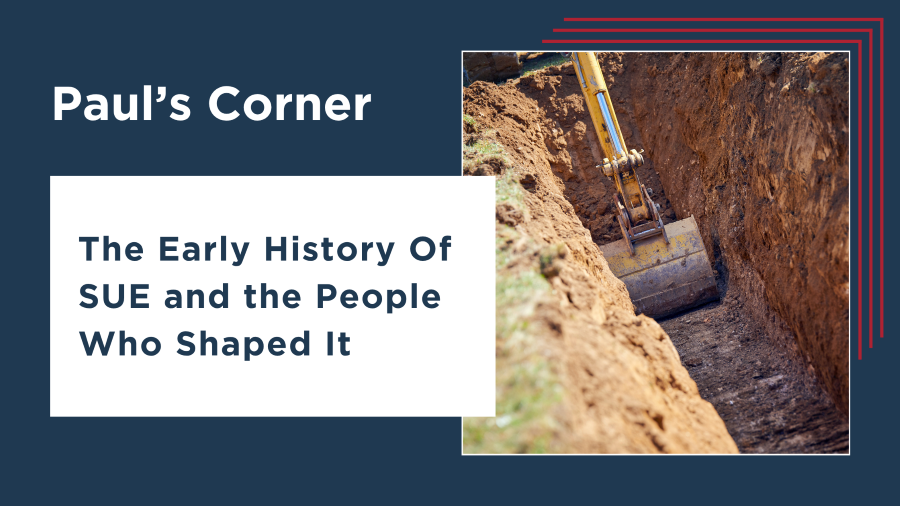
No worries here about damaging underground utilities! Right? Wouldn't it be nice if we could all say yes? Many project owners can, but many cannot.
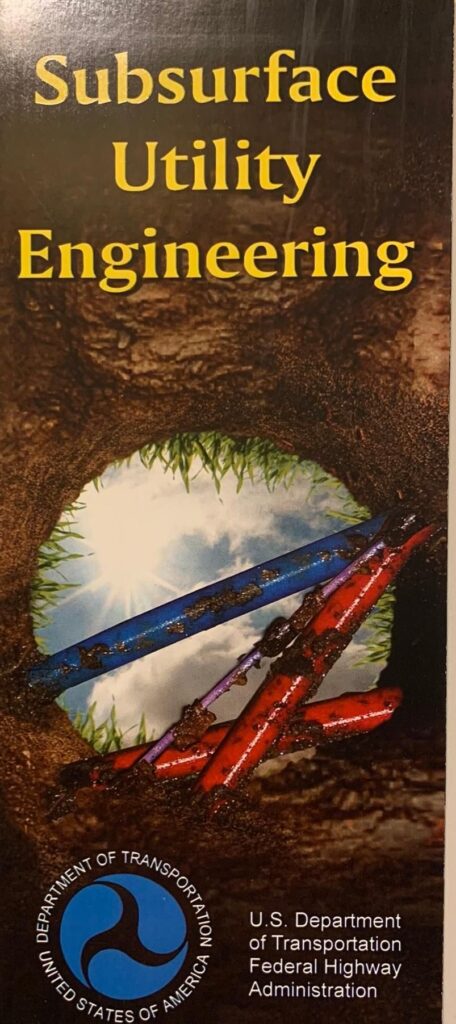
Subsurface Utility Engineering (SUE) has become an essential component of modern infrastructure planning, risk management, and design. As cities grow and underground networks become increasingly congested, the need for accurate utility locating and mapping has never been greater. Without proper underground utility management, construction projects can face costly delays, safety hazards, and legal liabilities. SUE provides engineers, planners, and contractors with reliable data to make informed decisions before breaking ground, ensuring that utility conflicts are minimized, and project timelines are maintained. By combining geophysical methods, vacuum excavation, and rigorous documentation, SUE bridges the gap between traditional civil engineering design and real-world underground conditions.
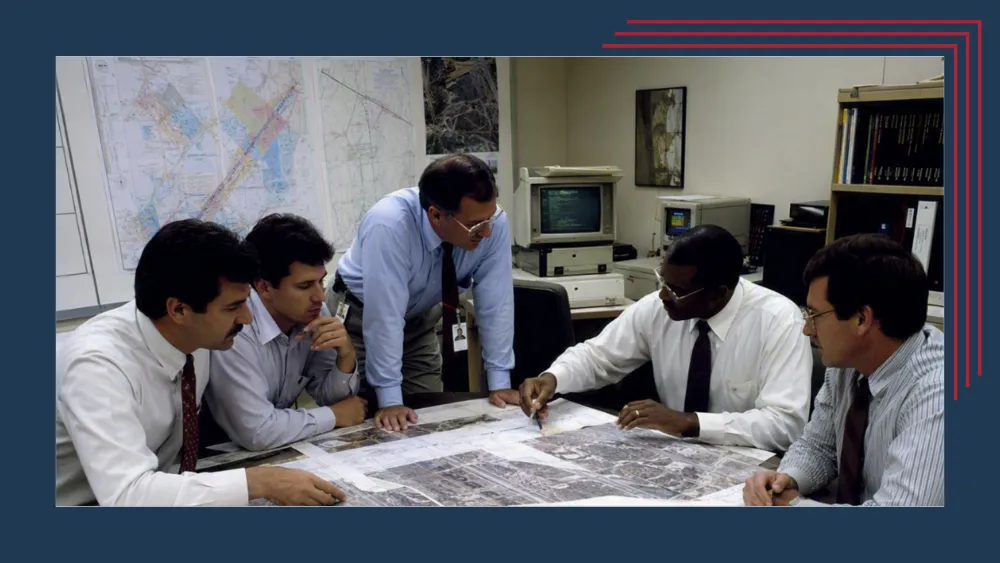
The origins of SUE trace back to a small group of innovators whose ideas and determination transformed scattered techniques into a disciplined engineering practice. This article brings together the early history of SUE through the experiences and reflections of Paul Scott, a former Federal Highway Administration (FHWA) and civil engineer, who witnessed its emergence firsthand in the early 1990s. He offers a uniquely personal account of the people and moments that defined the foundation of SUE.
Henry “Garon” Stutzman: The Innovator Behind Subsurface Utility Engineering
The person most widely recognized as the “inventor” of Subsurface Utility Engineering is Henry “Garon” Stutzman. In the 1970s, Garon worked as a relocation engineer for Washington Gas Light (WGL) in the Washington, D.C. metropolitan area.
Garon grew increasingly convinced that the traditional methods of dealing with utilities were wasting the money of the ratepayer and taxpayer. He was aware of the advantages of air/vacuum systems for safe excavation and the exposure of gas systems for anode emplacement. The spark of the idea that this safe excavation method could be used to gather data on the exact location of a utility during the design stage, coupled with his great energy, caused him to leave WGL in 1981 and form So-Deep, Inc.
By the time Paul Scott met Garon in 1991, he was already an accomplished award-winning entrepreneur and businessman. He was known for surrounding himself with very good people and allowing them to do their work without interference, while simultaneously demanding excellence from all who worked for him regardless of the cost.
One memorable example of his generosity came when he invited Paul and his family to his farm in The Plains for a day of mule racing, a personal hobby. He had invited other people as well, neighbors, co-workers, and friends, and it turned out to be a fabulous afternoon. This openness and energy reflected the same qualities that allowed him to conceptualize and launch SUE as a new way of thinking about underground utilities.
James H. Anspach: The Father of Subsurface Utility Engineering
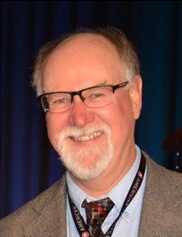
If Stutzman provided the spark for SUE, James H. Anspach provided the structure. Widely regarded as the “father” of Subsurface Utility Engineering, Anspach was one of the first people Stutzman hired at So-Deep. A geophysicist at Penn State specializing in civil applications, he brought the rigor, analytical mindset, and field experience that helped transform Stutzman’s ideas into a consistent engineering methodology.
In the early 1980s, locating underground utilities with precision, particularly non-conductive water and gas lines, was extremely challenging in Washington’s congested, aging underground environment. Multiple utilities were often closely clustered, and conventional methods struggled to provide the accuracy designers needed.
Stutzman had attended several of Anspach’s classes on utility locating, and their shared interest led to a pivotal agreement in 1983 between So-Deep and Media General. The partnership authorized So-Deep to use surface geophysics to identify subsurface utilities ahead of construction and pair these methods with air/vacuum excavation for cable road bores.
Anspach left Penn State to manage that work, ultimately staying at So-Deep for many years and shaping the foundations of what SUE would become. His contributions extend through decades of development and standardization. Most notably, he served as the primary author of the ASCE 38-22 Standard Guideline for Investigating and Documenting Existing Utilities, the definitive standard for utility investigation practices today.
A Close Working Relationship and the Many Lessons Learned
During the 1990s, Paul Scott had the opportunity to work closely with Jim Anspach. One time, Jim invited Paul to attend a presentation with him in Olympia, Washington. He suggested that Paul fly into Portland, Oregon, where Jim would meet him and take him to his home in the nearby mountains. Jim picked Paul up at the airport in a sporty convertible, and together they drove to his mountain house with the top down.
Upon arrival, they were warmly welcomed by Jim’s wife, Laura. The house was impressive, surrounded almost entirely by national forest, and had been designed by Jim himself with open spaces and expansive windows. During the visit, Jim showed Paul his collection of crystals, the barn where Laura kept her horses, and a government-controlled irrigation ditch that crossed the property.
That evening, Laura prepared a lovely dinner. Later, they climbed a set of stairs to a rooftop platform, where they watched the stars as Jim pointed them out by name. The following morning, they traveled to Olympia in Jim’s convertible, this time with the top up due to the cold, while Jim shared a geological history of the surrounding mountain rocks. The entire experience was all pretty awesome.
No matter how many times he heard Jim speak on the same topic, Paul learned something new every time. Jim’s thinking was fast and deep; whenever Paul grasped one concept, he would already be exploring the next. Those years became an invaluable education
SUE: More Than Locators and Vacuum Trucks
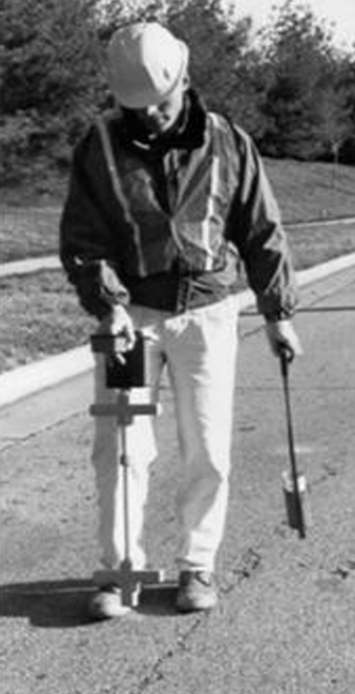
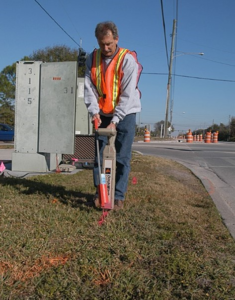
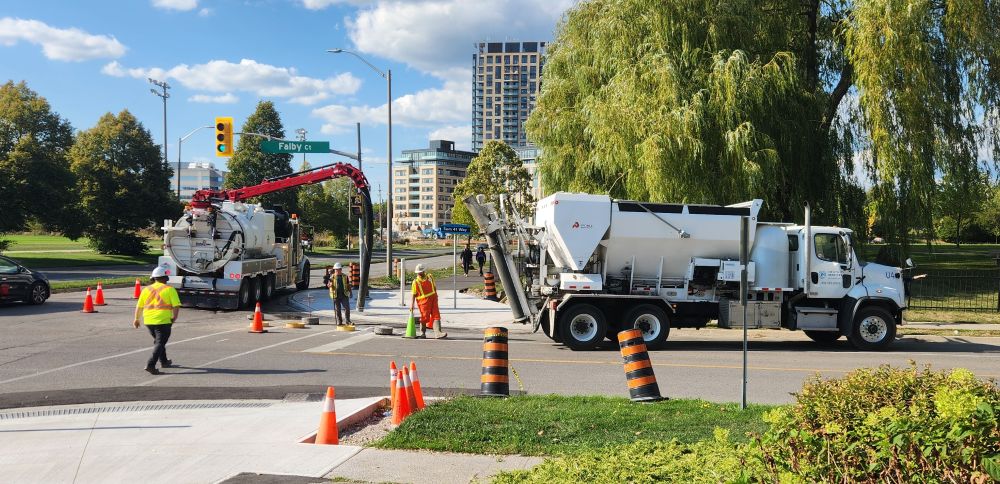
Modern Subsurface Utility Engineering relies on a combination of advanced tools and methodologies. Vacuum excavation allows crews to expose underground utilities safely, minimizing the risk of damage and injury. Surface geophysics, including electromagnetic and ground-penetrating radar (GPR), enables engineers to detect non-conductive utilities like water and gas lines that traditional locators might miss. These techniques feed into utility mapping systems that provide planners and contractors with detailed, accurate data. By integrating these practices into project workflows, SUE professionals reduce uncertainty, improve design decisions, and prevent costly construction delays, core principles that have guided the industry since its inception.
Even before SUE had an official name, both Garon Stutzman and Jim Anspach had already expanded it far beyond basic locating practices. By the late 1980s and early 1990s, SUE had evolved into a multidisciplinary, risk-reducing, accuracy-focused engineering process.
Many people still view SUE as simply a combination of pipe and cable locating and vacuum excavation. However, its pioneers understood, long before the industry did, that SUE was something much deeper:
- A method for reducing construction risk
- A way to improve design decisions
- A commitment to accurate documentation and quality control
- A systematic process to prevent utility damage before construction ever begins
One of the most significant legacies of early SUE pioneers is the formalization of standards for underground utility investigation. Jim Anspach played a leading role in drafting the ASCE 38-22 standard. This standard provides a clear framework for classifying utility data by quality and confidence, helping engineers, designers, and contractors make informed decisions. Today, SUE is not only about locating utilities; it encompasses comprehensive underground utility management, risk reduction, and documentation practices that are critical for successful infrastructure projects worldwide.
The Legacy of Subsurface Utility Engineering in Modern Infrastructure
While not every project owner today can say they're confident that there is reduced risk of damaging underground utilities, many can, and that number continues to grow thanks to the efforts of these early SUE innovators.
The legacy of Subsurface Utility Engineering continues to grow. Today, advances in digital utility mapping, 3D modeling, and real-time data collection have expanded SUE’s capabilities far beyond its origins. Yet the foundational principles established by Garon Stutzman and Jim Anspach, accuracy, risk reduction, and systematic investigation, remain as relevant as ever. As infrastructure planning and underground utility management become increasingly complex, the early lessons of SUE continue to guide engineers and project owners toward safer, more efficient, and more cost-effective outcomes.
The history of Subsurface Utility Engineering is far from finished, but understanding where it began and who built it helps highlight the remarkable progress the industry has achieved.
How can we help?
Contact 4Sight Utility Engineers today to learn how our expert team can provide precise utility locating, advanced utility mapping, and comprehensive underground utility management for your next project.